Exploring the cultural significance of gambling around the world
Historical Roots of Gambling
The origins of gambling can be traced back thousands of years, intertwining with the cultural and social fabric of various civilizations. In ancient China, as far back as 2300 BC, tiles have been found that suggest the existence of a rudimentary game of chance. Similarly, archaeological discoveries in ancient Egypt point towards gambling activities related to board games. Such historical instances reveal that the desire to gamble transcends mere chance; it is woven into our collective cultural heritage.
As societies evolved, so did the nature of gambling. From the dominance of betting on athletic contests in ancient Greece to the popularity of dice games in the Roman Empire, gambling adapted to fit the context of each culture. In these instances, gambling often served not just as entertainment, but as a means of social bonding and community engagement. For instance, in many traditional societies, group gambling activities have been occasions for communal gatherings, strengthening social ties among participants.
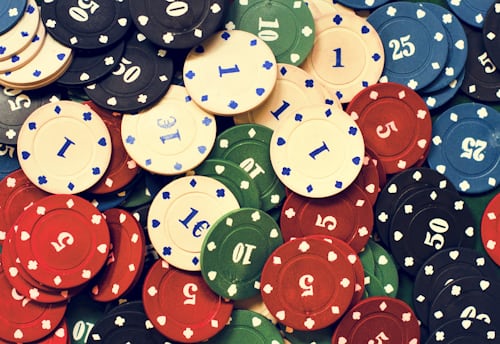
Gambling in Modern Times
Today, gambling has grown into a global industry, with wide-ranging implications for culture and economy. In Las Vegas, USA, the glitz and glamour of casinos are not just about games; they have become emblematic of a lifestyle that celebrates chance and risk. It’s not uncommon to see tourists flocking to these destinations, seeking the thrill of chance, which has become a significant aspect of modern cultural identity.
Contrastingly, in some cultures, gambling is fraught with negative connotations. Countries like Japan, for instance, have complex regulations surrounding gambling. While pachinko parlors are immensely popular, they operate in a grey market due to stringent laws, indicating a complicated relationship with gambling culture. Understanding these nuances reveals how cultural, legal, and moral frameworks shape gambling practices across the globe.
Gambling and Rituals
In numerous cultures, gambling is often integrated into traditional rituals and celebrations. In parts of India, for instance, the festival of Diwali is marked by various games of chance, with families engaging in card games that symbolize prosperity and good fortune in the coming year. Such practices elevate gambling from mere chance to an integral component of festive celebrations, where winning signifies luck and blessing.

Gambling in Pop Culture
The impact of gambling can also be observed in popular culture, influencing literature, film, and music. From classic films like “Casino Royale” to modern series like “Breaking Bad,” the portrayal of gambling often reflects societal attitudes towards risk and reward. These narratives explore themes of chance, fate, and moral dilemmas, fostering a complex dialogue surrounding gambling in everyday life.
Moreover, songs and literature often romanticize the gambler’s journey, framing it as an adventure filled with highs and lows. This cultural representation shapes public perception, making gambling an intriguing subject that resonates with the broader human experience of desire and ambition. The impact of such portrayals influences societal views and encourages debates around issues such as addiction, regulation, and morality in gambling.
Connecting with Our Culture
The website savedogcat.com offers an engaging platform where enthusiasts can explore popular leisure activities such as the ice fishing game. By presenting various games, it highlights the importance of cultural pastimes in our lives. Whether it’s trying out an ice fishing game or learning about different forms of gambling across cultures, the site provides an opportunity to connect with traditions that shape our recreational landscapes.
Understanding the cultural significance of gambling invites a broader perspective on how different societies engage with games of chance. It’s about recognizing the values and social dynamics that govern these practices, thereby enriching our appreciation of human culture and history. By engaging with platforms that showcase these activities, we foster an environment where curiosity and respect for diverse traditions can thrive.